
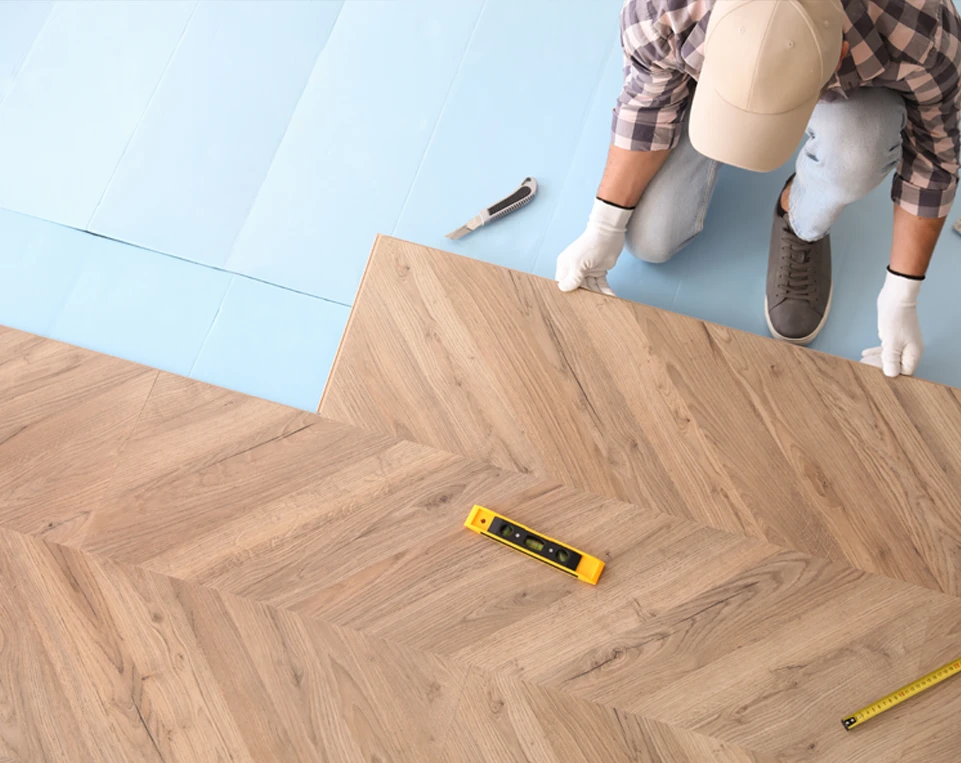
Refinishing your hardwood floors is one of the most effective ways to completely transform your home. Done right, it can bring old, worn-out floors back to life and make them look brand new again. Done wrong, however, it can permanently damage your floors and turn what seemed like a simple project into a very expensive mistake.
A lot of homeowners exploring hardwood floor refinishing in Ottawa go into it with the mindset that it’s a straightforward weekend job. Rent a sander, pick a stain, and get to work. But the reality is very different. Hardwood refinishing is a precise, technical process, and even small mistakes can leave lasting damage. In some cases, those mistakes mean the floor can’t be fixed at all.
Before you start sanding—or even hire a contractor—it’s important to understand what you’re working with and what’s actually involved. There are a few critical things that separate a beautiful, professional result from a floor that looks uneven, scratched, or worse, completely ruined.
1. The Mistakes That Ruin Hardwood Floors
One of the biggest misconceptions about refinishing hardwood floors is that the sanding process is forgiving. It’s not. In fact, sanding is where most of the damage happens, and it often happens very quickly.
Floor sanding machines are extremely aggressive. They’re designed to remove layers of finish and wood efficiently, but that also means they can take off too much material in seconds if they’re not handled properly. Many homeowners attempt DIY hardwood floor refinishing, make a few passes, and then realize too late that they’ve gone too deep. As described in the original transcript, it’s surprisingly easy to sand straight through the top layer of the wood without realizing it until the damage is already done .
The issue isn’t just the machine itself—it’s the lack of understanding around how and when to use it. Refinishing isn’t about simply sanding the surface until it looks clean. It’s about following a structured process that gradually refines the wood without leaving behind damage.
Professionals follow a very specific sanding sequence, starting with a coarse grit to remove the old finish and flatten the surface, then gradually moving to finer grits to eliminate scratches and create a smooth, even finish. Each step builds on the last. If you skip a step or rush through the process, you’ll end up with visible swirl marks, uneven textures, and a finish that never looks quite right no matter how many coats you apply.
Another key difference between professional and amateur results comes down to equipment. Most DIY jobs rely on a single rental machine, typically a drum sander. While a drum sander is effective for removing material, it’s only part of the process. Professionals follow it with a planetary sander, which smooths the surface and eliminates imperfections. This is one of the biggest differences homeowners notice when comparing budget work to high-quality Ottawa hardwood floor refinishing services.
2. How to Tell If Your Floors Can be Refinished
Before you even think about sanding, you need to answer a much more important question: can your floors actually be refinished in the first place?
This is where a lot of costly mistakes begin. Many homeowners assume that all wood floors can be sanded and refinished, but that’s simply not true. The type of flooring you have—and more importantly, its thickness—determines whether refinishing is even an option.
If your home has engineered hardwood, the top layer of real wood (called the veneer) is what matters most. In order to safely refinish the floor, that veneer typically needs to be at least 3 millimeters thick. Anything thinner than that puts the floor at serious risk. As highlighted in the transcript, a veneer that’s 2 millimeters or less can be sanded through with just one incorrect pass, permanently damaging the floor .
The good news is that checking this is simple. By removing a floor vent or lifting a threshold, you can usually see the side profile of the flooring and measure the thickness of the top layer. It’s a quick inspection that takes less than a minute, but it can save you thousands of dollars by preventing a mistake that can’t be undone.
Solid hardwood floors are generally more forgiving because they have more material to work with. They can often be refinished multiple times over their lifespan. Engineered floors, on the other hand, have a limited number of “lives,” and some can’t be refinished at all.
There are also warning signs that indicate a floor has already been sanded too many times. If you notice nails or staples sitting close to the surface, that usually means you’re near the structural layer of the floor. At that point, sanding further can cause serious damage. This is where working with a professional who specializes in hardwood floor refinishing in Ottawa can save you from making an irreversible mistake.
3. Preparation Is What Separates Average From Exceptional Results
One of the biggest differences between a mediocre refinishing job and a high-end result comes down to preparation. Most people focus on sanding and staining, but the reality is that a large portion of the final outcome is determined before the finishing process even begins.
Proper preparation involves stabilizing the floor, addressing any structural issues, and ensuring the environment is right for refinishing. Loose boards need to be secured, gaps should be filled where appropriate, and humidity levels need to be controlled. Wood is a natural material that expands and contracts depending on moisture levels, and failing to account for that can lead to long-term issues after the job is complete.
Skipping or rushing through this stage is one of the most common reasons floors end up looking uneven or wearing down prematurely. It’s also one of the main reasons why cheaper contractors often produce lower-quality results—they simply don’t invest the time required to do it properly.
4. What Actually Drives the Cost Up or Down
The biggest factor that impacts cost is the condition of your existing floors. If your hardwood is in good shape, the process is more straightforward and stays closer to the lower end of the price range.
However, if there are deep scratches, water damage, or pet stains, additional work is required to restore the surface properly. In some cases, damaged boards need to be replaced, which can quickly increase the total cost. The type of wood also plays a role, as some materials are easier to sand and finish than others.
Beyond that, details like stairs, vents, and trim work can add complexity and labor time, which naturally increases pricing.
5. Why Cheap Refinishing Jobs End Up Costing More
It’s tempting to go with the lowest quote when comparing contractors, especially for something like floor refinishing where it can feel like a commodity service. Many homeowners assume the process is simple and that one contractor won’t be much different from another. But that assumption is exactly what leads to problems later. Hardwood floor refinishing is a skill-driven trade, and the difference between a rushed, low-cost job and a properly executed one shows up quickly in both appearance and durability.
The gap isn’t just about price—it’s about process. Lower-priced contractors often cut corners in ways that aren’t obvious at first but become noticeable over time. They may use limited equipment, skip sanding steps, or rush through preparation. Instead of following a full sanding sequence and finishing properly, shortcuts lead to uneven textures, swirl marks, inconsistent stain, and finishes that don’t hold up. These issues might seem minor at first, but once the floors cure and the space is back to normal, they’re hard to ignore—and even harder to fix.
This is where the real cost comes in. Many homeowners think they’re saving money upfront, only to pay again to fix poor results. As highlighted in the original transcript, it’s common for people to bring in a professional after the fact, effectively doubling the cost . In more severe cases, improper sanding can cause permanent damage, leaving full replacement as the only option.
When you’re investing in something as visible and heavily used as your flooring, quality matters. Choosing a team that specializes in Ottawa hardwood floor refinishing ensures the job is done properly the first time—protecting both the look of your home and the value of your investment.
6. Should you Refinish Your Floors Yourself or Hire a Professional?
DIY refinishing can be appealing. It seems more affordable, gives you control over the process, and feels like a manageable home improvement project.
But hardwood floor refinishing is one of those areas where experience makes a massive difference.
Most DIY mistakes come from rushing, improper sanding technique, or not understanding how to use the equipment correctly. Floor sanders are heavy, difficult to control, and can leave deep marks if you pause in one spot for even a moment. Once those marks are there, they’re very difficult to remove.
A professional brings not only the right tools, but also the experience to handle challenges like uneven subfloors, wood movement, and selecting the right sanding sequence. They also understand how different stains and finishes will look based on the wood species, lighting, and age of the floor—something that’s hard to predict without experience.
In many cases, hiring a professional for hardwood floor refinishing in Ottawa doesn’t just save you time—it protects your investment and prevents costly mistakes.
7. Final Thoughts: Get It Done Right the First Time
Hardwood floor refinishing has the potential to completely elevate the look and feel of your home. When done properly, the results are stunning and long-lasting. But getting there requires more than just the right tools—it requires the right knowledge, preparation, and execution.
Taking the time to understand your floors, avoid common mistakes, and work with the right professionals will make all the difference. Whether you’re refreshing a single room or updating your entire home, investing in quality workmanship ensures your floors not only look great but stand the test of time.
If you’re considering hardwood floor refinishing in Ottawa, make sure you approach it with the right strategy. Because when it comes to your floors, doing it right the first time is always the best decision.